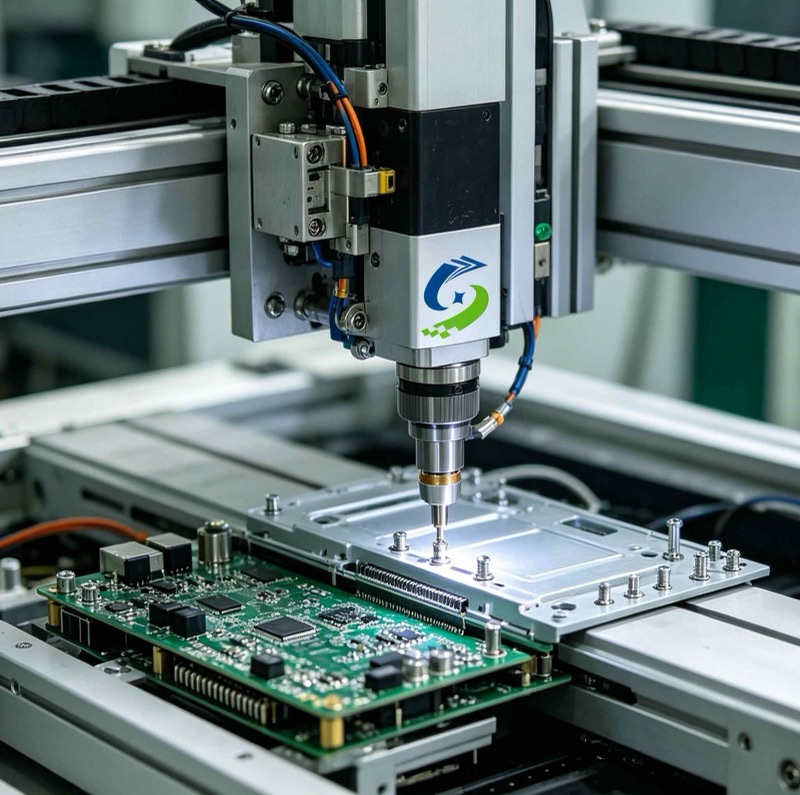
Home Appliance
Air conditioners, washing machines and other major appliances have large production volumes and fast cycle times. Traditional manual screw fastening involves high labor intensity, easy fatigue, and quality incidents such as missed or incorrect screws. Traditional equipment has poor compatibility and struggles to adapt to rapid product iteration and line change requirements.
We can evaluate standalone workstations or line-integration approaches. Feeding, fastening heads, fixtures, recognition, and changeover requirements are selected from the product and process review.
- Capacity planning — Output assumptions are reviewed with the production process.
- Quality controls — Detection and error-prevention options can be specified where required.
- Investment review — The suitable scope and changeover approach depend on the project.
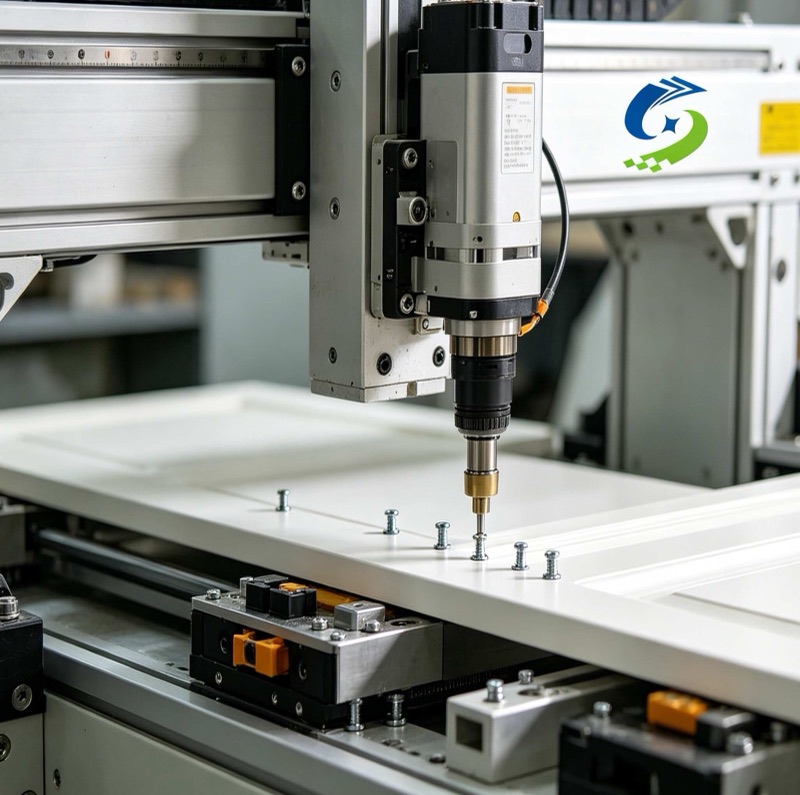
Smart Home
Smart locks, smart drying racks and other products have complex structures involving mixed materials assembly. Installation environments vary, requiring high equipment stability and production line aesthetics. Manual operations struggle to balance fastening force for different materials, easily leading to poor assembly.
We can evaluate fastening approaches for smart-home products, including material differences, sensing needs, fixtures, changeover requirements, and line appearance for the relevant project.
- Process review — Material differences, fastening controls, and quality checks are assessed for the application.
- Flexible production — Changeover needs are reviewed with the product plan.
- Manufacturing presentation — Cell design can be aligned with the required workspace and workflow.
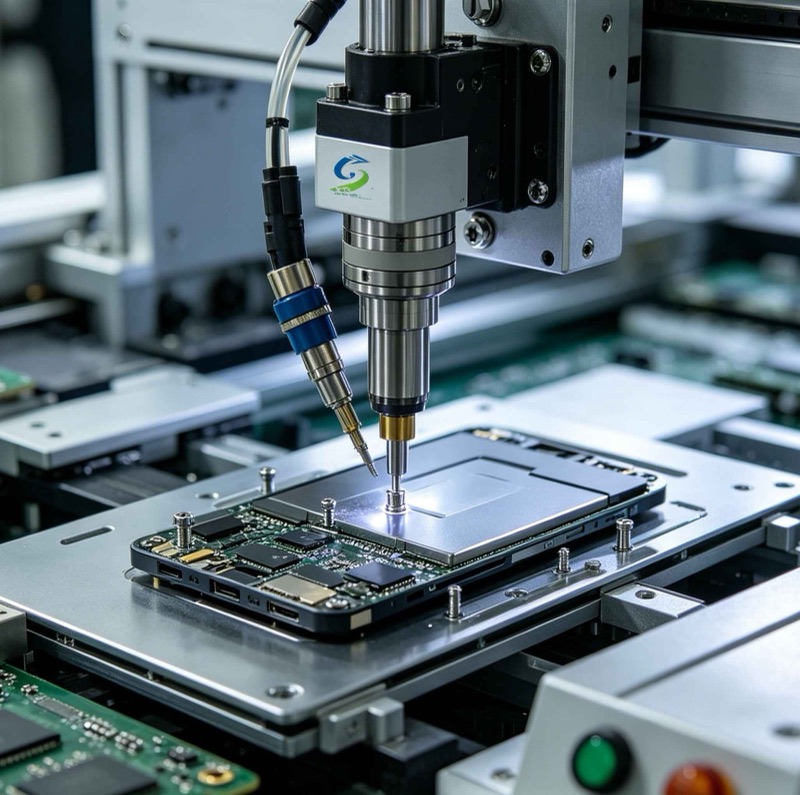
3C Electronics
Mobile phones, tablets and other products have highly integrated structures with extremely small screw specifications (M1.0-M2.0), requiring strict fastening precision (±0.02mm). Traditional manual methods face three major challenges: efficiency bottlenecks, quality risks, and high costs.
We provide a complete solution integrating high-precision vision and intelligent feeding. Core technologies include a vision positioning system with ±0.02mm repeat positioning accuracy and an intelligent screw feeding system, precisely solving micro-fastening challenges.
- Reliability review — Process controls and acceptance criteria are agreed for the product.
- Capacity review — Continuous-run conditions are evaluated with the production process.
- Quality review — Inspection requirements are specified for the project.
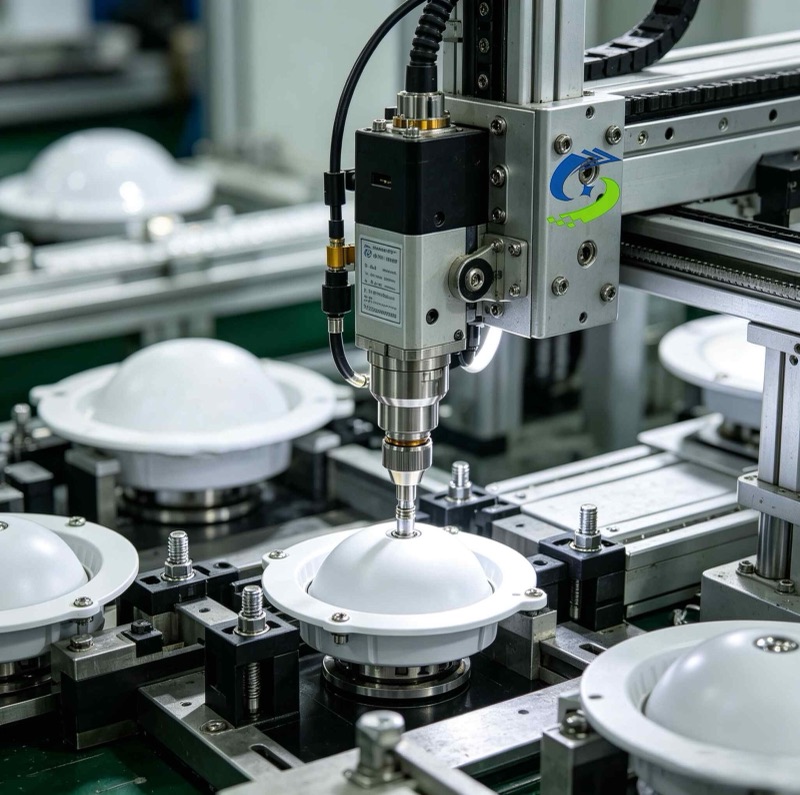
Lighting
LED bulbs, ceiling lights and other products have many screws in assembly with scattered distribution, and diverse product structures (flat, curved). Traditional manual fastening is tedious and error-prone, making it difficult to ensure torque consistency at each point, affecting product quality.
We can evaluate customized fastening for varied lamp structures, including positioning, feeding, fixtures, and changeover requirements. Performance criteria are confirmed for the individual project.
- Process control — Torque, positioning, and inspection requirements can be specified for the product.
- Capacity planning — Automation scope is evaluated against the manual process and required output.
- Changeover review — Flexibility needs are confirmed with the product plan.
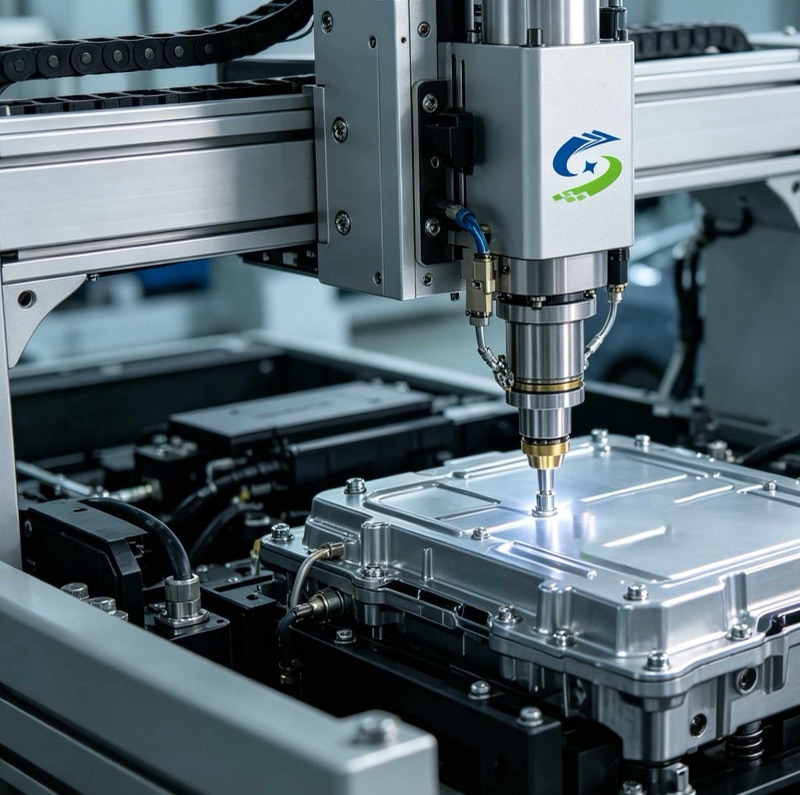
Automotive & EV
New-energy vehicle assemblies can have demanding connection, quality, traceability, and workspace requirements. The applicable torque and data requirements should be confirmed with the customer process and agreed project criteria.
For automotive-related assembly, high-torque fastening, process checks, parallel fastening, and traceability options are evaluated against the customer's applicable requirements, representative samples, and agreed acceptance criteria.
- Connection review — Torque, traceability, and inspection requirements are evaluated for the relevant assembly.
- Compliance support — The cell can be specified to support customer-defined process requirements.
- Efficiency review — Output and quality criteria are validated for the project.
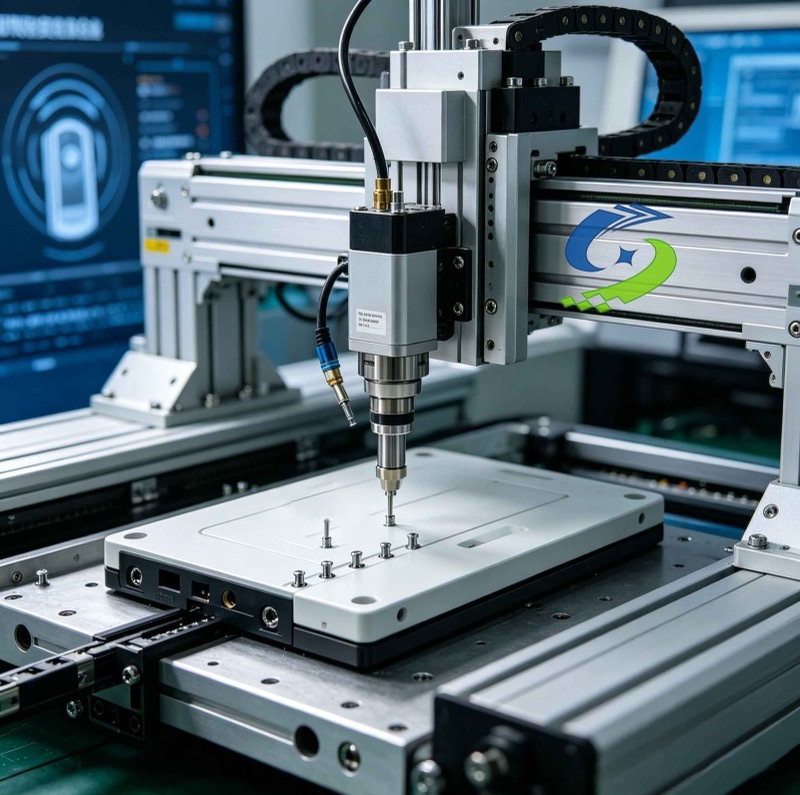
Medical Devices
Medical device production directly relates to patient lives, requiring operations in Class 1000 cleanroom environments, with extremely high requirements for fastening precision and full-process data traceability. Manual operations and ordinary equipment struggle to meet these standards.
For medical-device manufacturing, the fastening cell can be evaluated against the customer's applicable cleanroom, process-control, torque, and traceability requirements.
- Process controls — Relevant quality and data requirements are defined with the project.
- Integration — Fixture, handling, and workflow needs are assessed for the production environment.
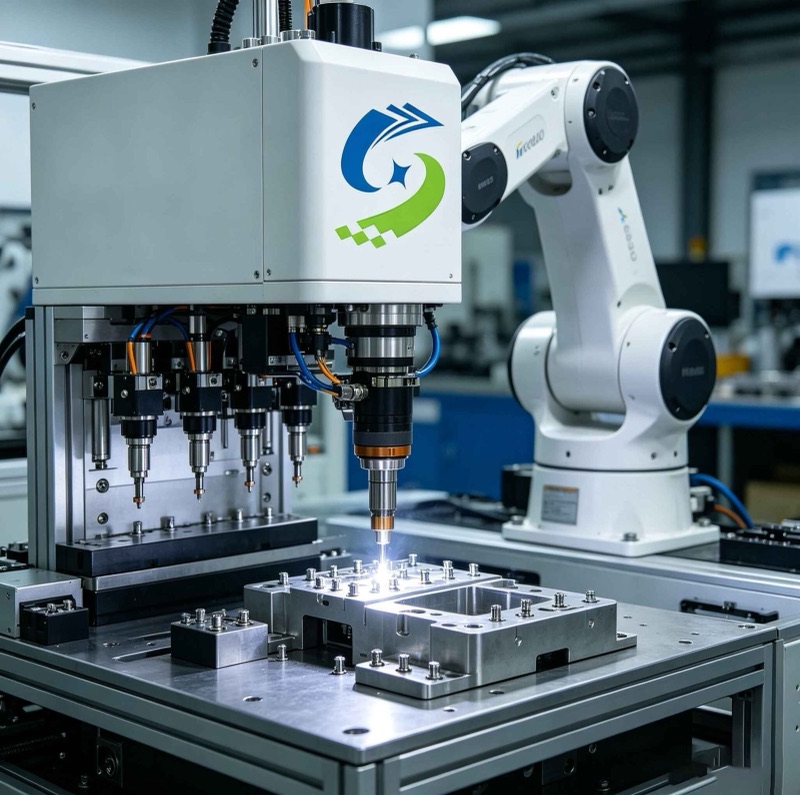
Industrial Robots
Core joint and base assembly must handle M8-M16 high torque (10-200N·m), deep/blind holes and other complex conditions. Manual fastening not only involves high labor intensity but also makes it difficult to ensure fastening consistency and safety.
Heavy-duty servo tightening can be evaluated for higher-torque requirements. Deep or blind-hole access, compensation, reaction-arm selection, and safeguarding are confirmed from the part, process, and site requirements.
- Process support — Fastening requirements, ergonomics, and safeguarding are evaluated for the relevant robot assembly process.
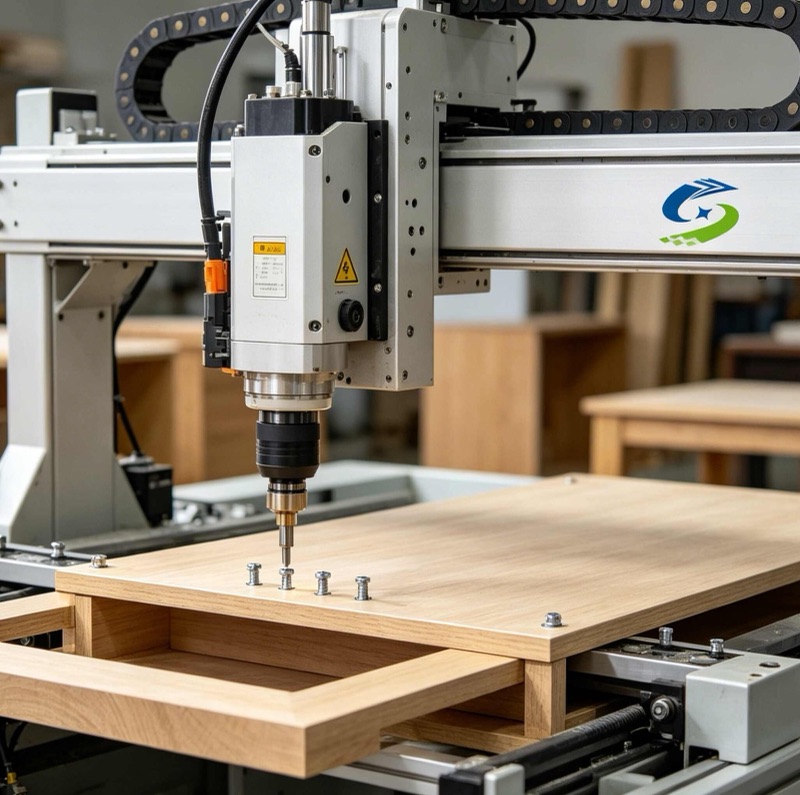
Furniture
Cabinets, bathrooms and other products have high customization with multiple screw specifications (M4.0-M8.0) and complex hole layouts. Traditional 'one-machine-one-screw' manual mode has low efficiency and unstable quality, easily damaging brand reputation.
Tailored high-torque, high-adaptability automation solutions. Core technologies include high-torque servo tightening system, intelligent torque monitoring system, and seamless production line integration capability, solving non-standard pain points.
- Throughput review — A workstation may improve throughput depending on the validated process and operating conditions.
- Quality review — Torque and inspection requirements are defined with the product and agreed acceptance criteria.
- Flexible production — Multi-variety, small-batch needs are assessed for the project.
Toys
Large number of SKUs, high seasonal order fluctuations, and rapid product updates. Small screw specifications (M1.5-M3.0) with large batches, requiring extremely high production line flexibility, operational simplicity, and line change efficiency.
Flexible, user-oriented solutions can be evaluated for integration with the production line. Vision paths, interface design, training needs, and operator authorization are confirmed for the project and site workflow.
- Flexibility review — Multi-variety and variable-batch needs are assessed for the process.
- Throughput review — Fastening capacity is validated against the project requirements.
- Workflow review — Training and operator tasks are defined for the configured cell.
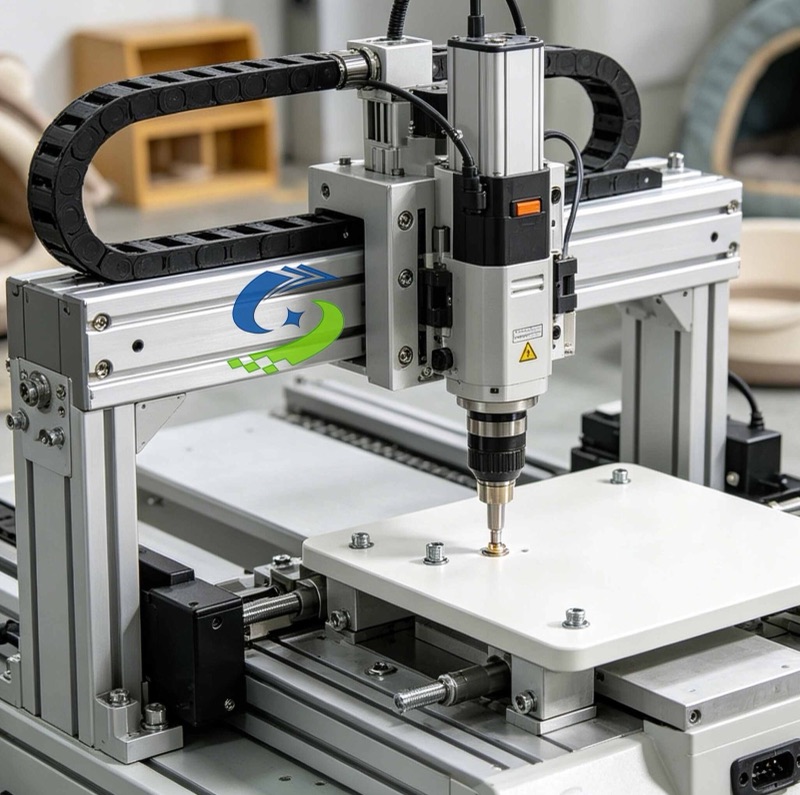
Pet Products
Pet nests, water dispensers and other products have irregular shapes and variable flexible materials. Export products often involve different standard screws such as metric and imperial. Traditional equipment has poor compatibility and struggles to adapt to mixed-line production needs.
We provide flexible, high-precision fastening solutions: equipped with flexible grippers to adapt to various materials; built-in algorithms automatically recognize and switch between metric/imperial screw standards; combined vision and laser composite positioning technology achieves precise fastening.
- Strong production compatibility.
- Stable and reliable product quality.
- Supports global business standards. One production line meets flexible material and mixed-standard screw production needs, helping expand global markets.
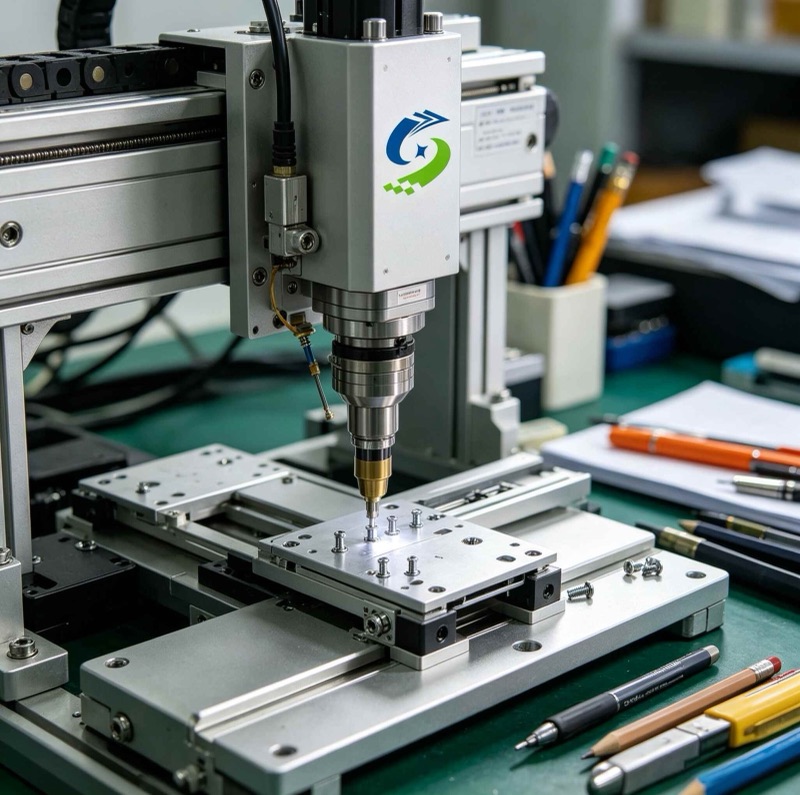
Office Stationery
The industry has highly segmented categories, with 'small batch, multi-variety' production as the mainstream. Traditional automation equipment has high transformation costs, slow line changes, and low cost-performance ratios, leaving SMEs lacking motivation to upgrade.
Custom lightweight solutions can be evaluated for the industry, including integration with the existing line and a suitable human-machine workflow. Operator coverage and throughput depend on the product, process validation, safeguards, and operating conditions.
- Investment review — Scope and operating assumptions are assessed for the project.
- Workflow review — Operator tasks and cell coverage are defined with the production process.
- Flexible production — Multi-variety requirements are evaluated with representative parts and agreed criteria.
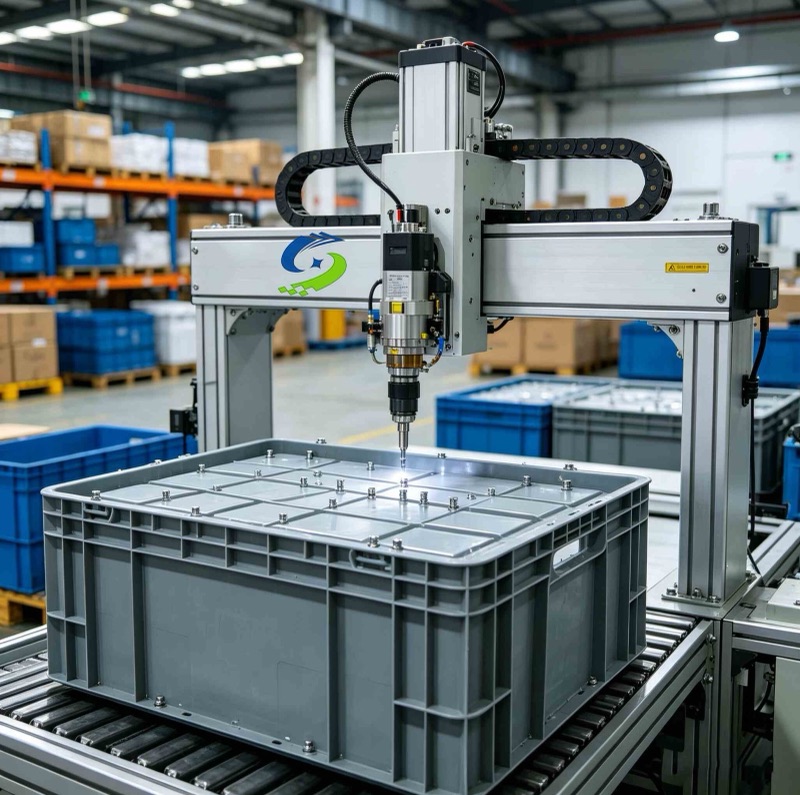
Packaging
Paper cans, metal cans and other products have complex specifications and huge batches, especially in food and pharmaceutical fields with extremely high capacity requirements. Frequent line changes severely interrupt production rhythm, leading to low overall efficiency and difficulty meeting rapid market delivery demands.
We can evaluate full-process assembly-line fastening, including line integration, changeover requirements, part handling, and capacity planning. Switching and output targets are verified with representative parts and the agreed project acceptance criteria.
- Meets extreme capacity demands.
- Maximizes equipment utilization.
- Reduces comprehensive production costs.
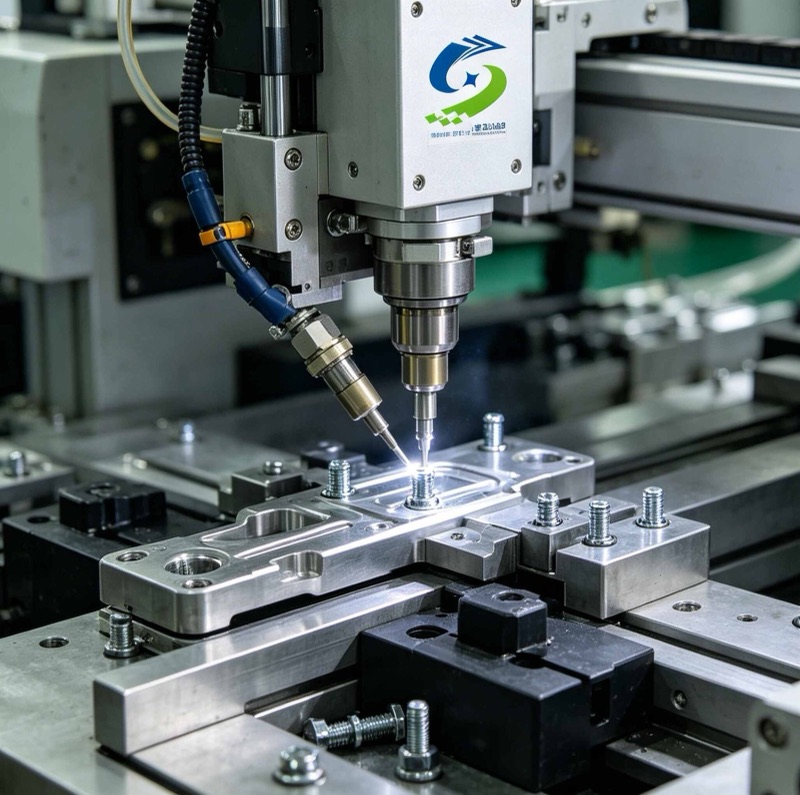
Hardware Tools
Wrenches, pliers and other hardware tool assembly involves large specification screws requiring high torque fastening. Traditional manual operations not only involve high labor intensity and easily cause occupational fatigue, but also make fastening force difficult to standardize, resulting in poor product torque consistency, directly affecting the final performance and service life of hardware tools.
High-torque vertical fastening can be evaluated for the required torque range. Reaction-arm, ergonomics, safeguards, and fastening consistency are validated with representative parts and the agreed process criteria.
- Ergonomics review — Operator tasks and reaction forces are assessed.
- Quality review — Applicable process checks are defined for the product.
- Efficiency review — Results depend on the validated configuration and operating conditions.
Security & Access
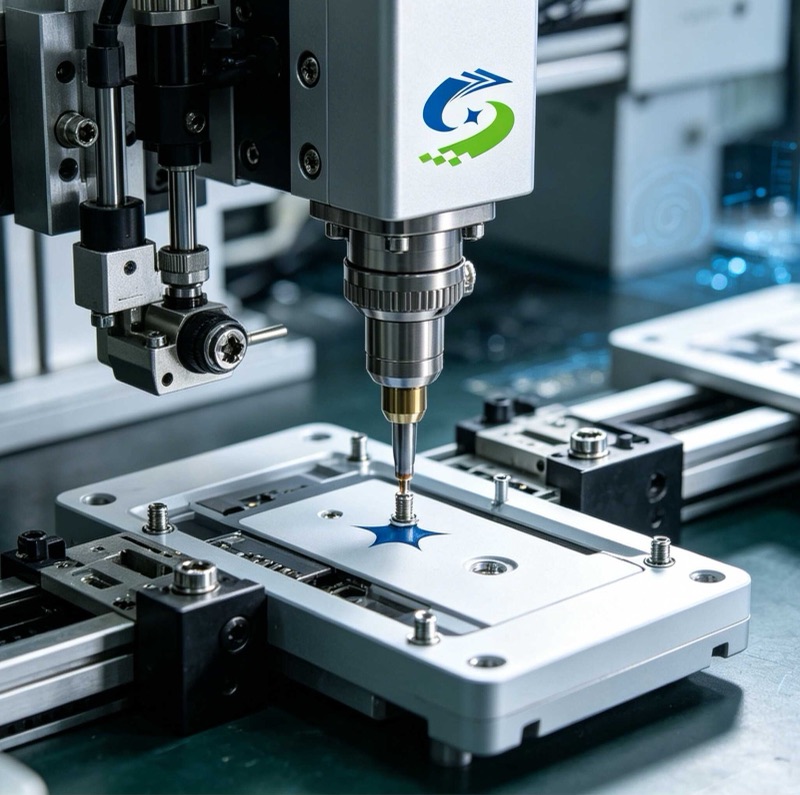
Panel locks, monitoring equipment and other security products typically require IP67 or higher protection ratings. The sealing quality of screw fastening processes directly determines product lifespan and stability. Once missed or substandard fastening occurs, it can easily cause system failure, triggering major safety hazards and property losses.
We can evaluate integrated dispensing and fastening approaches for sealing-related assemblies. The applicable monitoring, material handling, and acceptance criteria are confirmed for the individual project.
- Reliability review — Sealing-related fastening criteria can be defined for the intended environment.
- Risk review — Detection and process controls are selected for the assembly.
- Quality review — Acceptance criteria are agreed with the project requirements.